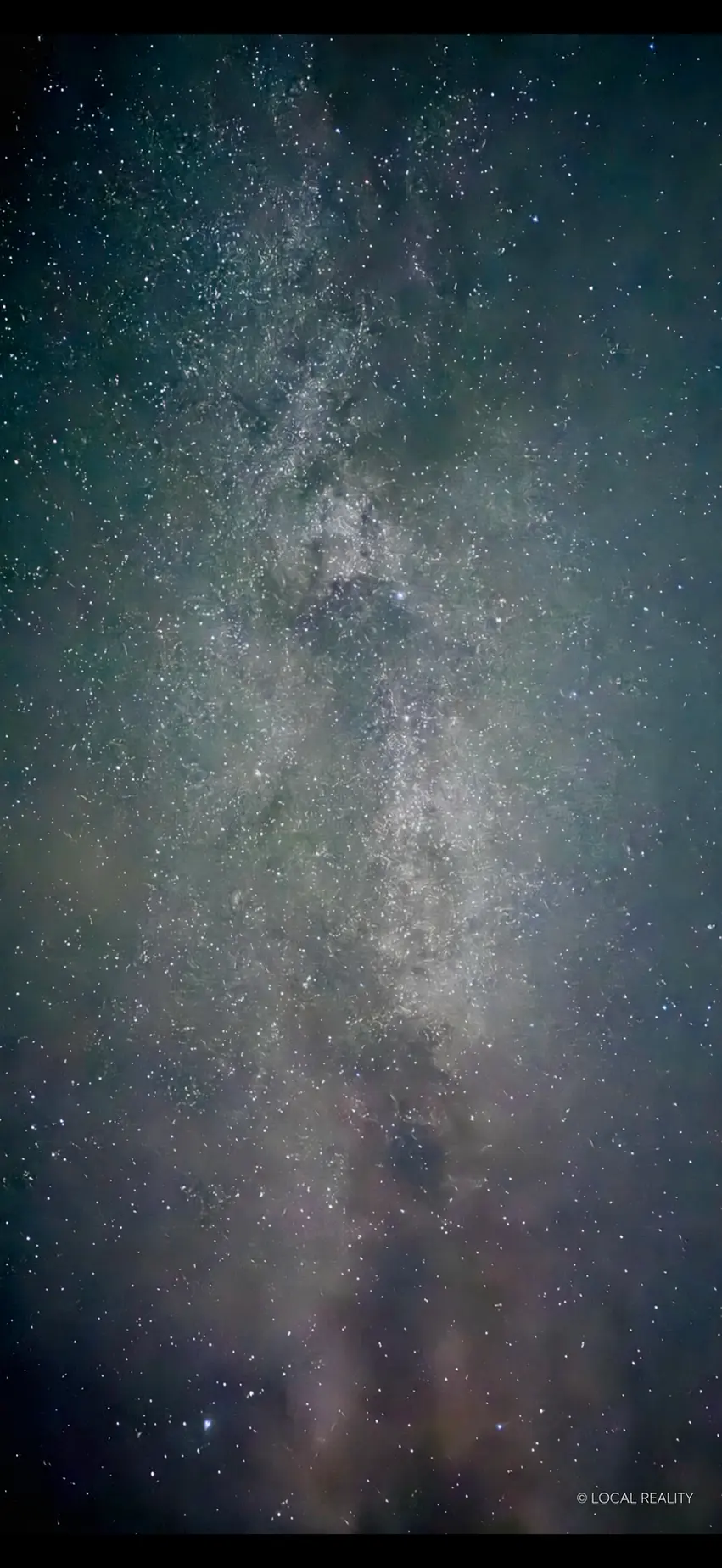
Pick a starting point. We’ll help you research a place, check the weather and Moon, and pack for a simple night outside. No telescope required.
FROM THE LOCAL REALITY PHOTO ARCHIVE
01 / START HERE
Where are you starting?
Choosing the button sends your ZIP or city to our service to look up an approximate location and request NWS weather. We do not save a location history. Privacy and sources. Do not enter a home address.
02 / SAVE FOR LATER
Your night plan
Sharing includes your entered city or ZIP. The link opens your setup so your friend can fetch fresh conditions; it does not save this forecast or confirm access.
The best first night is simple: a place you can legally use, a comfortable setup, a little time to look up, and a clear plan to get home. Use this as your take-along guide.
PLACE
Nearby places to research
Check before you go. A public park may close at sunset or require a reservation or permit after dark. Confirm hours, gate closing times, legal parking, fees and current closures with the park. Map references are approximate; choose an approved observing area and check its entrance, route and forecast.
Up to 12 nearby research leads are returned; fewer may be available within your radius. A listed park has not been cleared for nighttime use. Lighting, terrain, parking and sky visibility are unverified.
More nationwide research: NPS Where to Stargaze and DarkSky Places. A listed park or certified dark area does not by itself authorize parking at night.
SKY NEAR YOU
Weather & Moon
YOUR CHOICE
Before you choose a place
Select a place above to add it to your printed brief. Check its official rules first.
THE ESSENTIALS
Pack these first
Check the destination forecast before choosing layers. It may be colder or windier than the ZIP forecast shown here.
MAKE IT COMFORTABLE
Bring the fun
For a first outing, choose a short session you can enjoy. Confirm restroom access and parking rules; neither is guaranteed.
THE EXPERIENCE
A simple night flow
Before departure: Recheck the official site notices, destination weather and navigation route. Share your destination and expected return time with someone.
When you arrive: Park only where permitted. Find a comfortable spot close to the car, note the route back, set up your chair and keep lights low.
First 20 minutes: Put the phone away for a bit and let your eyes adjust. Find the brightest stars or the Moon if visible. Take a few unhurried breaths; you do not need to identify everything.
Before heading home: Pack out everything, check for dropped gear, rest if tired and use your own navigation for the return drive.
A SMALL SOUVENIR
Try a first photo
Frame a tree or horizon under the sky. Stabilize your phone, use a short timer, avoid flash and take several shots. Keep any extra lighting within site rules.
iPhone: On supported models, open Camera in low light, use Night mode when available, hold still and try a tripod. Apple guide.
Android: Controls vary by model; use Night mode and a stable surface if offered. Supported Pixels have Night Sight and Astro. Google Pixel guide.
One photo of your setup and one of the sky are enough. Spend time looking with your eyes too.
This guide offers a limited conditions assessment, not travel clearance or a safety guarantee. It does not verify roads, legal access, smoke, light pollution, route conditions or whether a drive is worthwhile. Weather is available only for the area or named map point shown. Moon and twilight values are calculations, not visibility guarantees. Recheck official conditions before leaving.